The Mediterranean Diet: Evidence-Based Powerhouse for Mental Clarity, Physical Resilience, and Root-Cause Healing
At Calderon Medicine Concierge Mental Health, we don't chase symptoms with pills alone. We target the root — and nutrition is frontline therapy. The Mediterranean diet (MedDiet) stands out as one of the strongest, most researched patterns for supporting both brain and body health.
What Is the Mediterranean Diet?
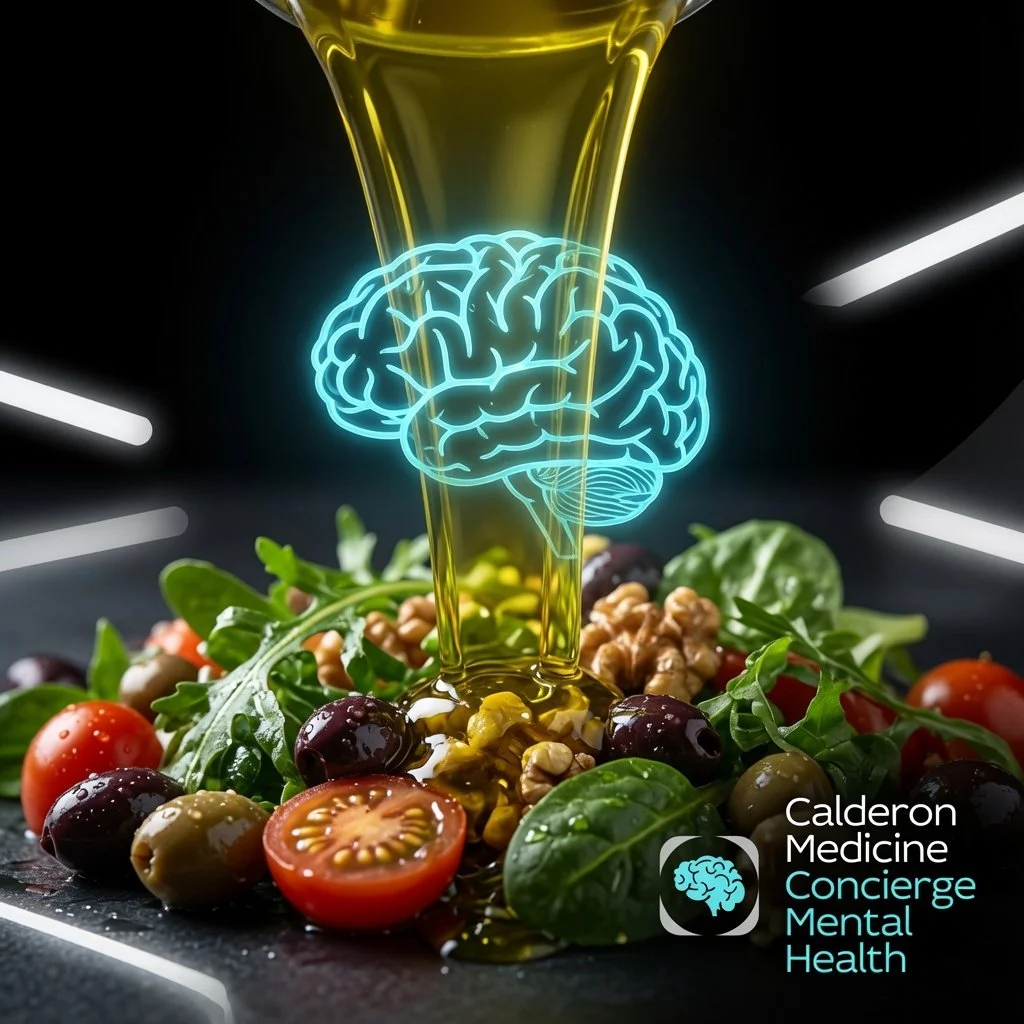
It emphasizes abundant plant foods (vegetables, fruits, whole grains, legumes, nuts, seeds), extra-virgin olive oil as the primary fat, moderate fish and seafood (especially omega-3 rich), poultry, dairy (cheese/yogurt), herbs/spices, and limited red meat, sweets, and processed foods. Water is the main drink; modest red wine with meals for some.
Physical Health Benefits: Cardiovascular and Metabolic Wins
Large randomized trials like PREDIMED (over 7,000 high-risk participants) demonstrated that a MedDiet supplemented with extra-virgin olive oil or mixed nuts reduced major cardiovascular events by ~30% compared to a low-fat control. This included lower stroke and heart attack risk.
Recent 2025–2026 analyses reinforce this: MedDiet programs show superior reductions in all-cause and CV mortality, with absolute risk drops over five years exceeding 1% for CV death in key trials. A revamped MedDiet + exercise + modest weight loss slashed type 2 diabetes risk by 31%.
It improves blood pressure, lipids, insulin sensitivity, reduces oxidative stress, and supports metabolic syndrome reversal — critical for patients battling the diabetes-mental health bidirectional cycle.
Mental Health Benefits: From Depression to PTSD and Cognitive Protection

A 2025 systematic review found the MedDiet linked to reduced depressive and anxiety symptoms, lower perceived stress, and better quality of life/wellbeing in adults, including those with comorbidities. Mechanisms? Antioxidant and anti-inflammatory effects plus positive shifts in gut microbiota.
Depression:
Numerous studies have found a significant link between the Mediterranean diet and a reduced risk of depression. A meta-analysis of observational studies published in Molecular Psychiatry indicated that individuals adhering to a Mediterranean diet had a 33% lower risk of depression compared to those who did not follow the diet. The anti-inflammatory and antioxidant properties of the diet, along with its ability to improve gut health, are thought to contribute to these mental health benefits. Higher adherence correlates with fewer symptoms; anti-inflammatory diets like MedDiet improve depressive outcomes in RCTs.
Anxiety:
The diet's impact on anxiety has also been explored. A study in Frontiers in Psychology showed that higher adherence to the Mediterranean diet was associated with lower levels of anxiety. The presence of omega-3 fatty acids in fish, a key component of the Mediterranean diet, is believed to play a role in reducing anxiety symptoms due to its effects on brain function and inflammation.
Bipolar Disorder:
Research on the Mediterranean diet's impact on bipolar disorder is still emerging but promising. A study published in The Journal of Affective Disorders found that individuals with bipolar disorder who followed a Mediterranean diet experienced fewer depressive episodes and had better overall mood stability. The diet's emphasis on anti-inflammatory foods and healthy fats may help manage the mood swings associated with bipolar disorder.
PTSD:
A Brigham and Women's study linked MedDiet (more plants, less red/processed meat) to fewer PTSD symptoms, potentially via gut bacteria like Eubacterium.
Schizophrenia:
For schizophrenia, dietary interventions are an area of active research. The Mediterranean diet, with its anti-inflammatory and neuroprotective properties, holds potential benefits. A study in Nutrients revealed that patients with schizophrenia who adhered to the Mediterranean diet had better cognitive function and reduced negative symptoms compared to those with low adherence to the diet. The diet's ability to improve cardiovascular health is particularly relevant since individuals with schizophrenia are at higher risk for cardiovascular diseases.
Cognitive Health:
Mind diet (MedDiet + DASH elements) preserves grey matter and reduces brain volume loss in older adults. Observational data show 15–22% lower dementia risk.
Broader Wellbeing:
2025 Lebanese study showed positive correlation between MedDiet adherence and mental wellbeing scores, with nuts and fish/seafood having strong impact.
In children/adolescents, high adherence links to ~30% lower odds of ADHD and reduced depression/anxiety.
The Gut-Brain Axis Connection
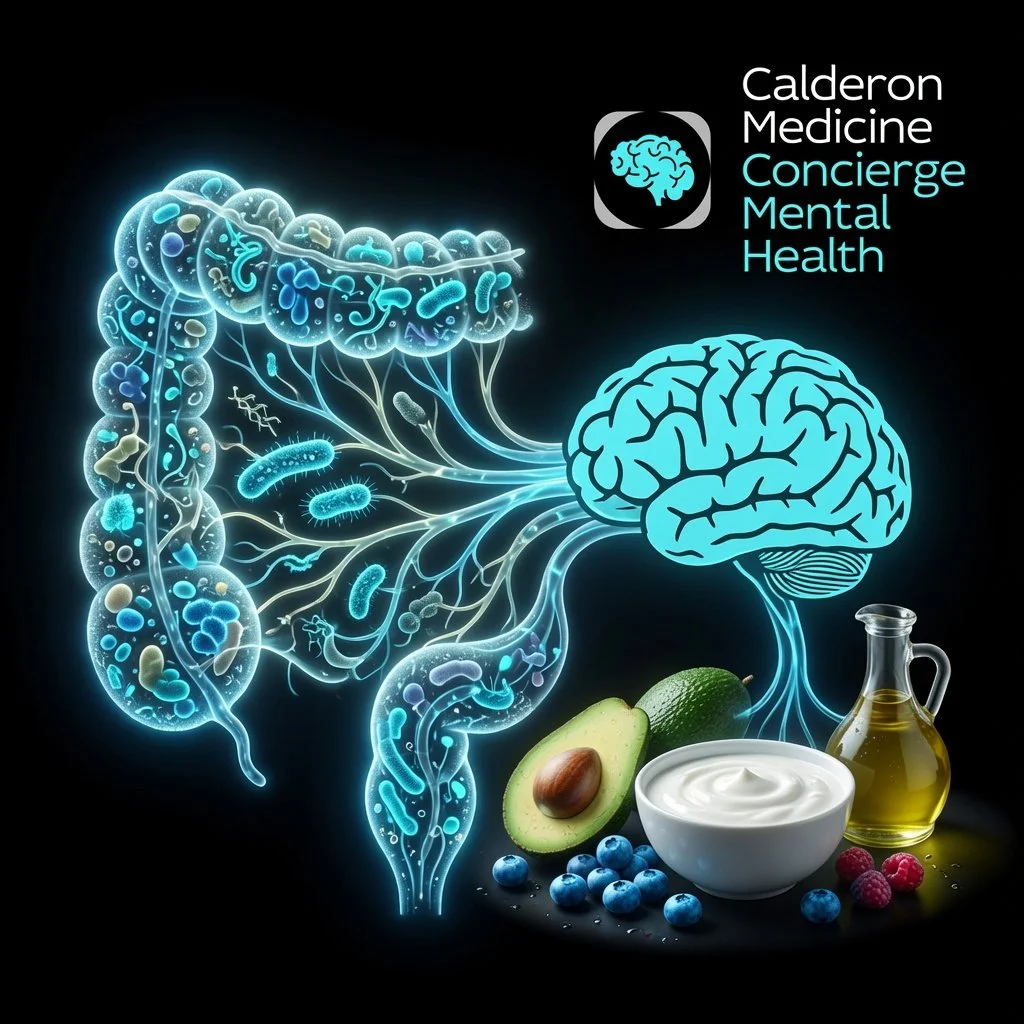
MedDiet boosts beneficial microbes, cuts inflammation, and supports the gut-brain axis — a key pathway in metabolic psychiatry for mood, focus, and resilience against trauma-related conditions.
Implementing It in Your Life
Eat a Rainbow: Incorporate a variety of colorful fruits and vegetables into your diet to ensure a wide range of nutrients and antioxidants.
Choose Whole Grains: Opt for whole grains over refined grains to maintain steady blood sugar levels, which can affect mood and energy.
Include Healthy Fats: Integrate sources of healthy fats, such as olive oil, avocados, and nuts, into your meals to support brain function.
Stay Hydrated: Adequate hydration is essential for brain function. Aim to drink plenty of water throughout the day.
Limit Processed Foods: Reduce the intake of processed and sugary foods, which can negatively impact mental health.
This isn't theory — it's battle-tested data that delivers real results. If you're ready to harness nutrition as medicine for sharper mind, stronger body, and lasting mental health, book a consultation at Calderon Medicine Concierge Mental Health.
Root-cause healing starts on your plate.
Bottom Line
The Mediterranean diet isn't a fad—it's one of the most extensively researched dietary patterns in medicine. Rich in vegetables, fruits, legumes, whole grains, fish, olive oil, nuts, and other minimally processed foods, it has consistently been associated with better cardiovascular health, improved metabolic function, reduced inflammation, and a lower risk of depression and cognitive decline.
While no single diet is right for everyone, improving nutrition is one of the most powerful ways to support both brain and body health. For many people, optimizing metabolic health can complement evidence-based psychiatric treatment and improve overall well-being.
If you've been struggling with depression, anxiety, brain fog, fatigue, or metabolic health concerns, addressing the biological factors that influence brain function may be an important part of your recovery.
Ready to move beyond symptom management? Discover how personalized virtual metabolic psychiatry combines nutrition, lifestyle medicine, and evidence-based psychiatric care to support lasting mental wellness.
Continue Your Metabolic Psychiatry Journey
Nutrition is only one piece of optimal brain health. Explore these evidence-based resources to learn how metabolism, sleep, exercise, and personalized psychiatric care work together to support mental wellness.
Metabolic Psychiatry – Discover how mitochondrial health, insulin resistance, inflammation, and metabolic dysfunction may influence depression, anxiety, PTSD, ADHD, bipolar disorder, OCD, insomnia, and cognitive performance.
The Keto Diet and Mental Health: 2026 Science Update – Learn how ketogenic metabolic therapy may improve brain energy metabolism and provide another evidence-based nutritional approach for select individuals with psychiatric conditions.
Sleep Hygiene and Mental Health – Discover why restorative sleep is essential for emotional regulation, memory, stress resilience, and overall brain health.
BDNF On Demand – Learn how regular physical activity stimulates Brain-Derived Neurotrophic Factor (BDNF), supporting neuroplasticity, learning, memory, and mood.
Concierge Metabolic Psychiatry in Florida – Explore our personalized virtual care model that integrates evidence-based psychiatry, metabolic medicine, nutrition, lifestyle optimization, and comprehensive treatment plans tailored to each patient.
If you're living with depression, anxiety, ADHD, PTSD, bipolar disorder, insomnia, brain fog, or treatment-resistant symptoms, a comprehensive metabolic psychiatry evaluation may help identify underlying contributors affecting your mental health.
Ready to take the next step? Schedule your consultation today and learn how a personalized, root-cause approach can help you achieve better mental and physical health.
Follow us on Social Media
Ready to implement? Here are trusted, evidence-based tools:
Harvard T.H. Chan School of Public Health – The Nutrition Source: Detailed Mediterranean diet review with meal guides, research summaries on brain health, and practical tips.
https://nutritionsource.hsph.harvard.edu/healthy-weight/diet-reviews/mediterranean-diet/
Oldways Mediterranean Diet: Traditional diet pyramid, recipes, shopping lists, and cultural context backed by decades of research.
https://oldwayspt.org/explore-heritage-diets/mediterranean-diet
Academy of Nutrition and Dietetics (eatright.org): Credible professional guidance on Mediterranean eating patterns for overall and mental health.
Recommended Reading:
Change Your Diet, Change Your Mind by Dr. Georgia Ede — Practical nutritional psychiatry focus linking Mediterranean principles to brain health.
https://www.diagnosisdiet.com/change-your-diet-change-your-mind
Sources:
1. Kabthymer RH, et al. Effect of Mediterranean diet on mental health outcomes: a systematic review. Nutrition Research Reviews. 2025. DOI: 10.1017/S0954422425100243. Cambridge Core
2. Bizzozero-Peroni B, et al. The impact of the Mediterranean diet on alleviating depressive symptoms in adults: a systematic review and meta-analysis of randomized controlled trials. PubMed. 2025. PMID: 38219230
3. Martínez-González MA, et al. The PREDIMED trial, Mediterranean diet and health outcomes: How strong is the evidence? Nutrition, Metabolism and Cardiovascular Diseases. 2017 (with 2025 updates in follow-on analyses). PubMed
4. Harvard T.H. Chan School of Public Health. Diet Review: Mediterranean Diet. The Nutrition Source. nutritionsource.hsph.harvard.edu
5. Oldways Preservation Trust. Mediterranean Diet Resources and Pyramid. oldwayspt.org
6. Sprengel ML, et al. Anti-inflammatory diets and mental health: a scoping review of randomized controlled trials and systematic evidence syntheses. Frontiers in Nutrition. 2026. Frontiers
7. Akerele CA, et al. Nutrition and brain health: Implications of Mediterranean diet. Schizophrenia Research. 2025. ScienceDirect
8. Brigham and Women’s Hospital / Harvard Chan School. Associations among PTSD, diet, and the gut microbiome (including Mediterranean diet benefits). 2023–2025 follow-ups. HSPH News
Additional supporting data from PREDIMED re-analyses, Framingham Heart Study extensions, and 2025 meta-analyses on MedDiet for metabolic syndrome reversal and cognitive protection.
All sources accessed and verified as of June 2026. This content is for educational purposes. Individual results vary — personalized guidance from a qualified provider is essential.